Garboard
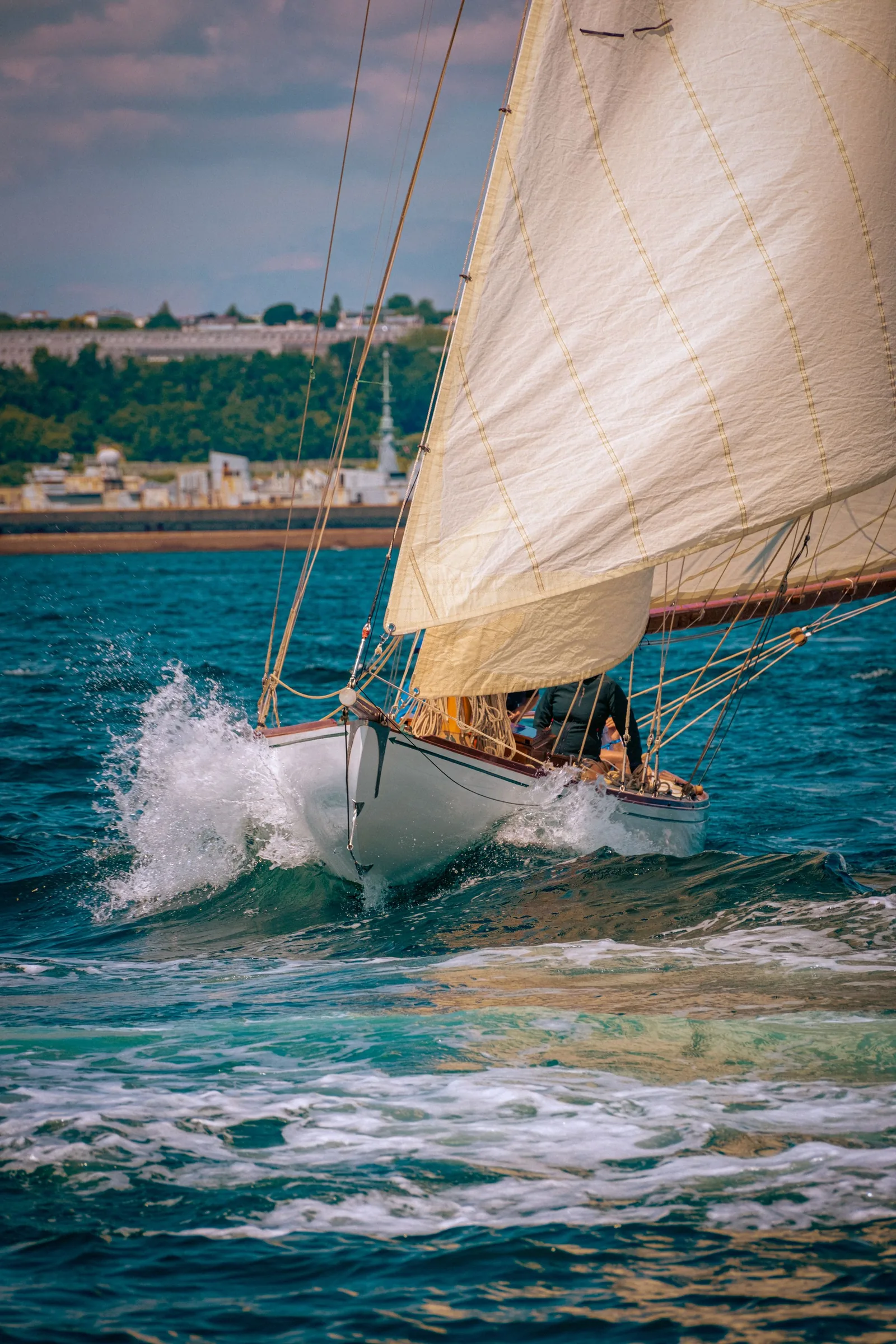
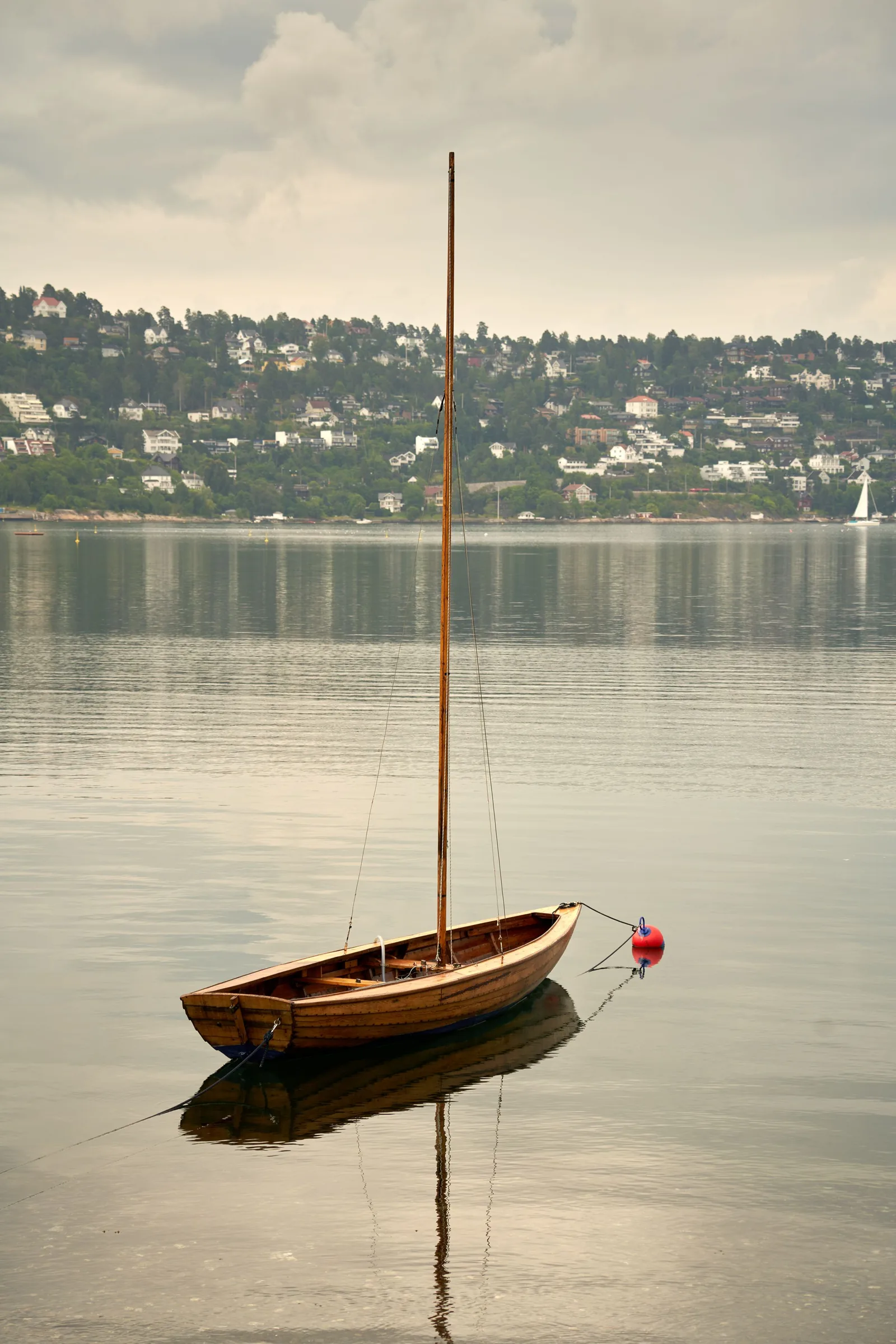
Garboard, a yard for wooden boats on the south coast of Norway.
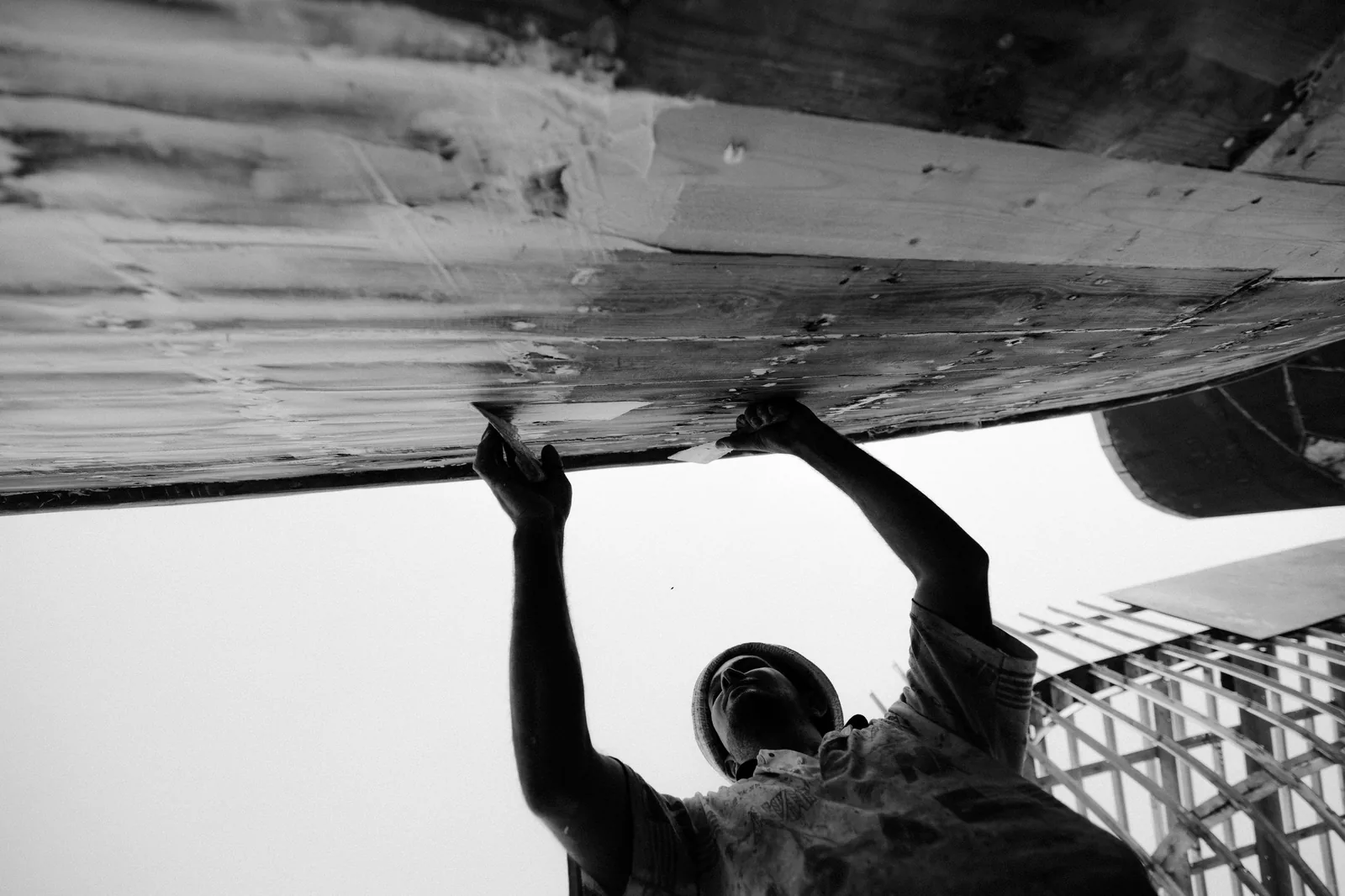
We started in an old net shed in Risør with one bench, one steam box and a færing that needed new planks. Today eight of us build and restore wooden boats by hand, one at a time, for people who intend to use them hard.
- 0Years in the shed
- 0Boats launched
- 0Hands at the benches
- 0Timbers we work
Founded by Steinar Mykland and Ingvild Aune, the yard draws every boat with its owner and builds it within sight of the water it will sail.
From the first line on the loft floor to the last coat of varnish, a Garboard boat is made by the same small crew, so nothing is lost between drawing and launch.
The yard
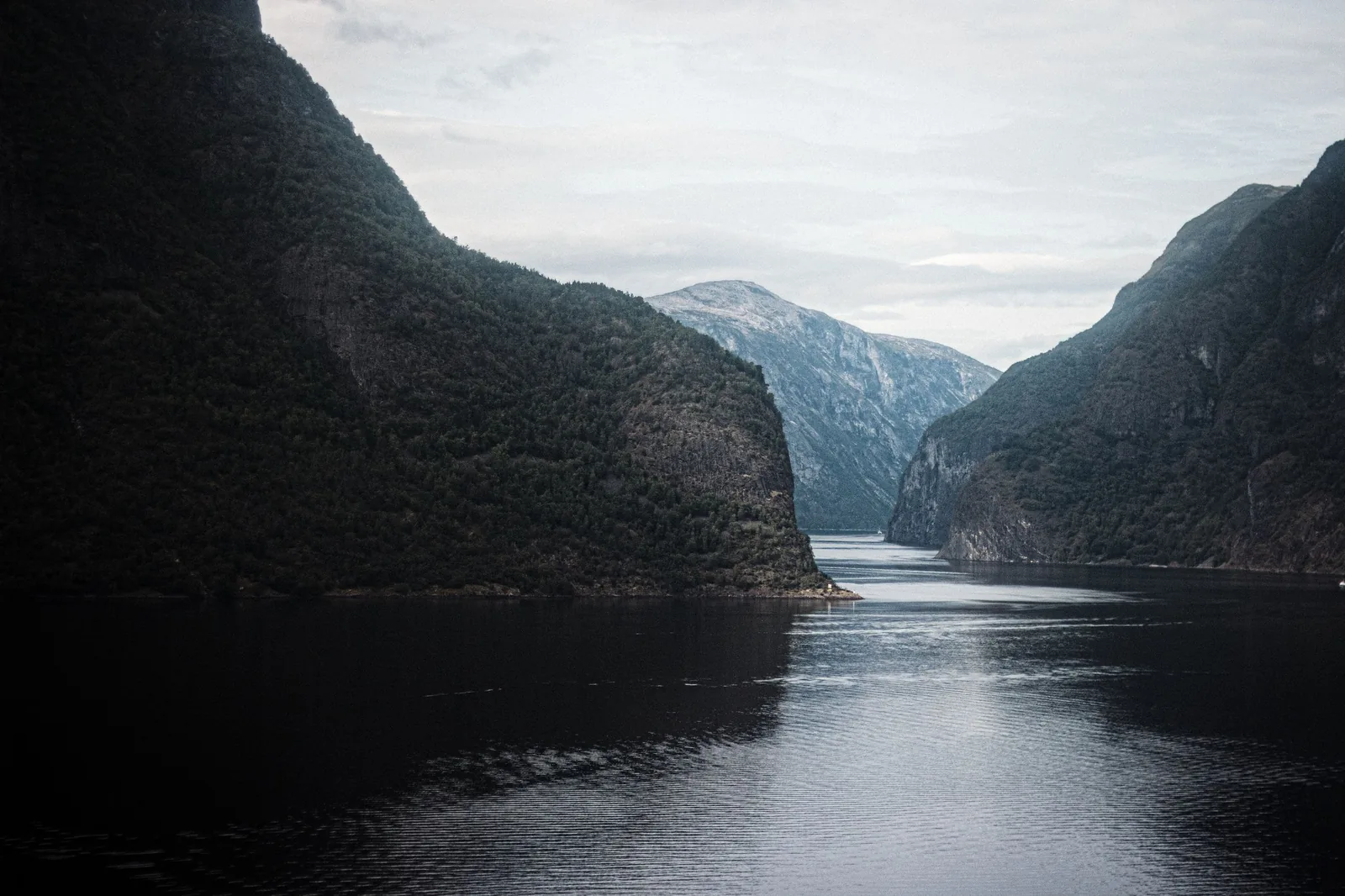
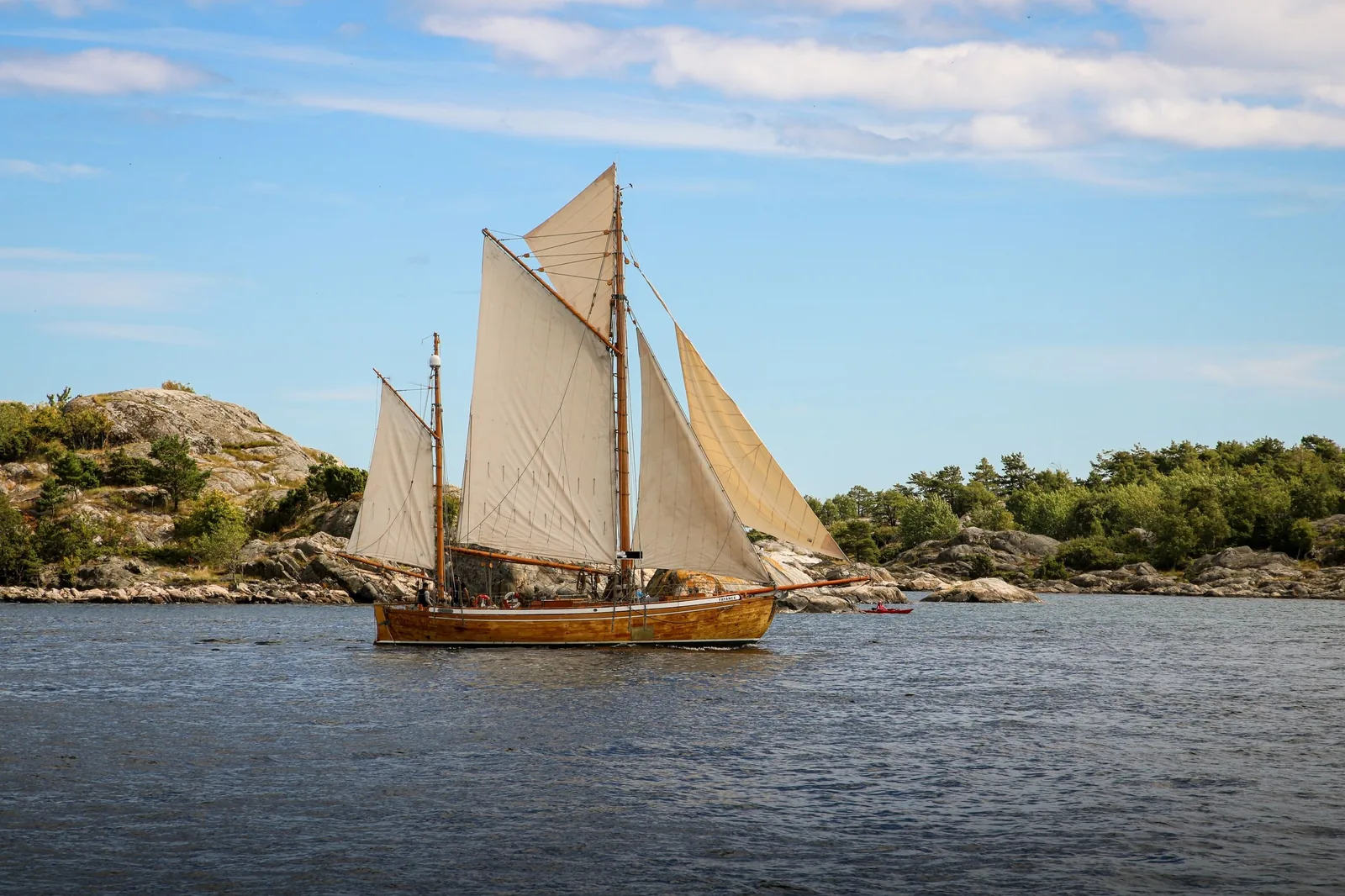
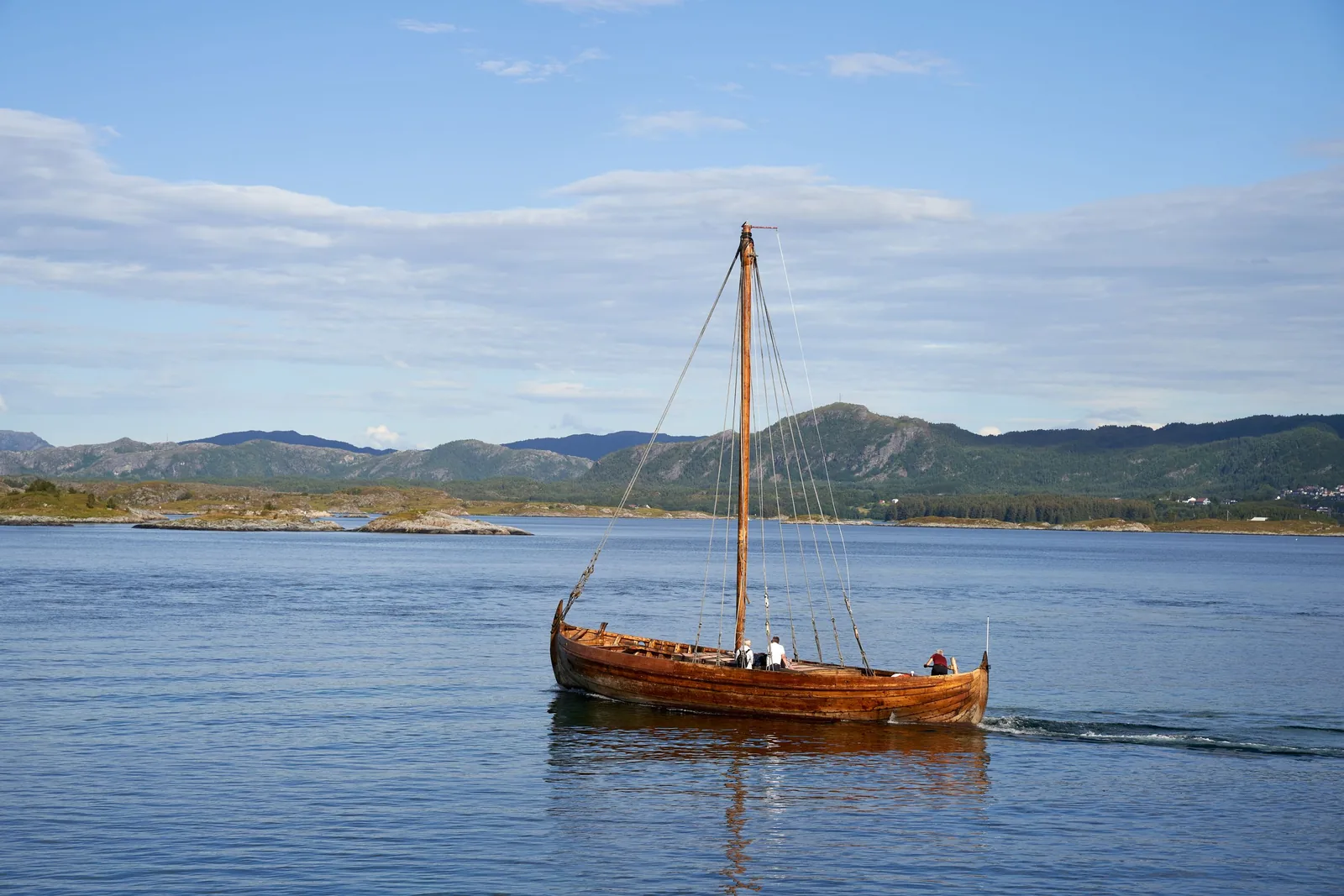
Built plank by plank, for cold water that forgives no shortcut and keeps every honest boat for a hundred years.
Honours / 8
- Best traditional buildNordic Wooden Boat Review/ 2025
- Craft prize, clinker classCoastal Heritage Society/ 2024
- Restoration of the yearSkagerrak Classic Yacht Club/ 2023
- Apprentice of the yearNorwegian Boatbuilding Guild/ 2022
- People's choice, in-water showSørland Classic Week/ 2021
- Gold, small craftEuropean Timber Craft Awards/ 2019
- Line of the yearNordic Small Boat Design Forum/ 2018
- Best newcomer yardWooden Boat Gathering Oslofjord/ 2015
How a boat is built
A Garboard boat takes between nine months and three years. You are welcome in the shed at every stage, and most owners come often. These are the five stages every boat goes through.
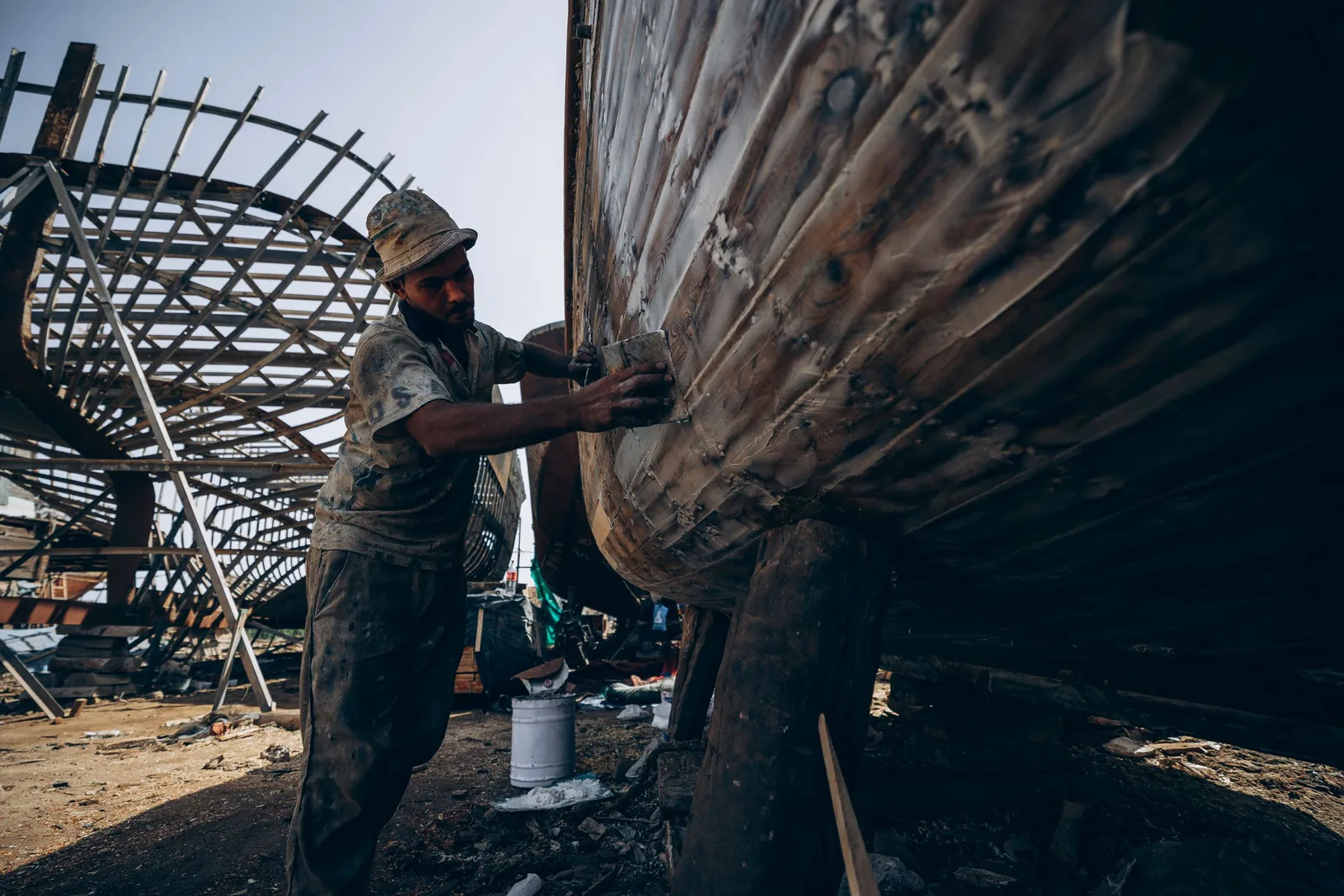
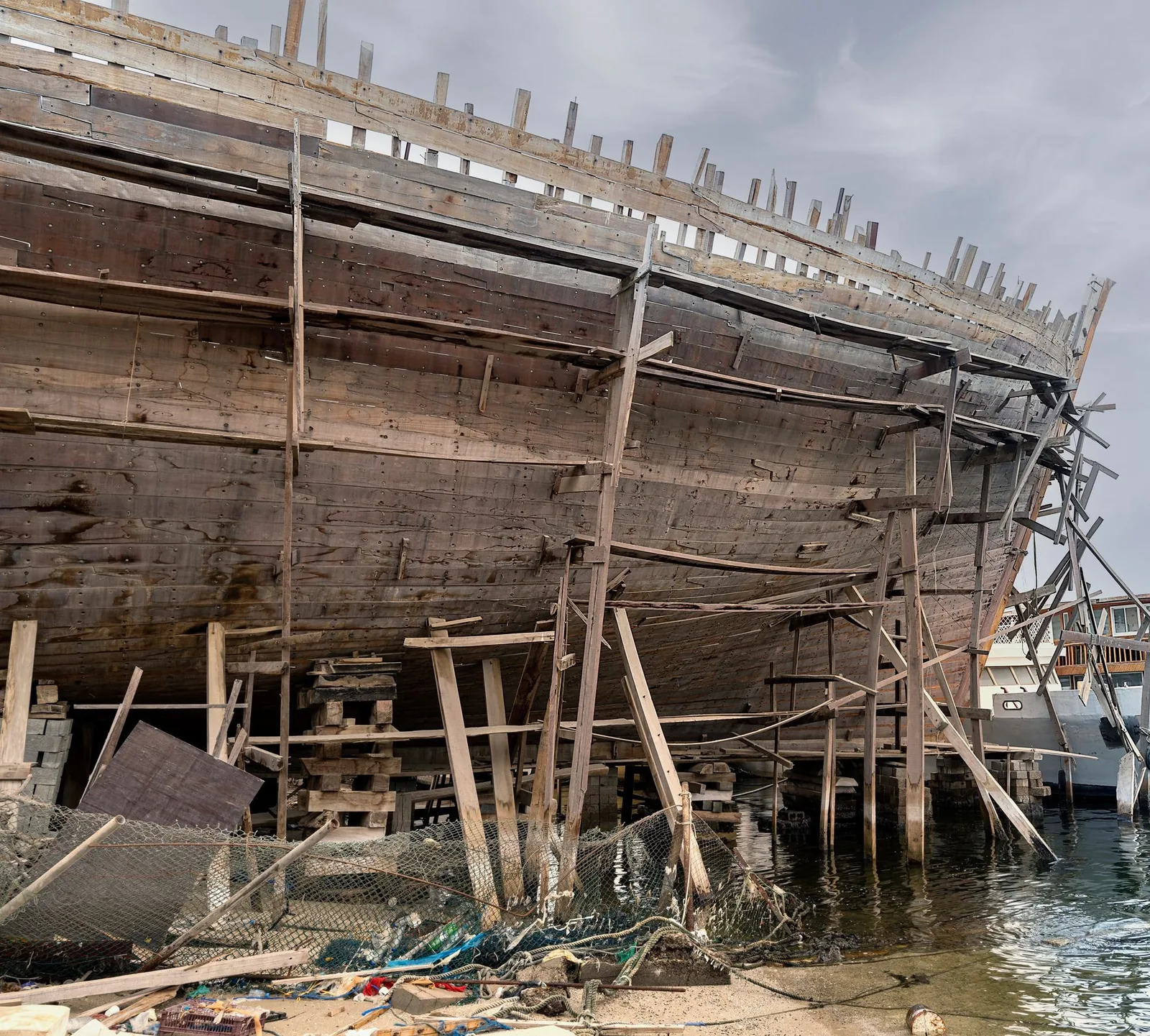
We draw the hull with you, then lay it out full size on the loft floor. Every curve is checked by eye before any timber is cut.
- Two or three sea talks before the first drawing
- Lines drawn by hand, checked in a 3D model
- Full-size lofting on the shed floor
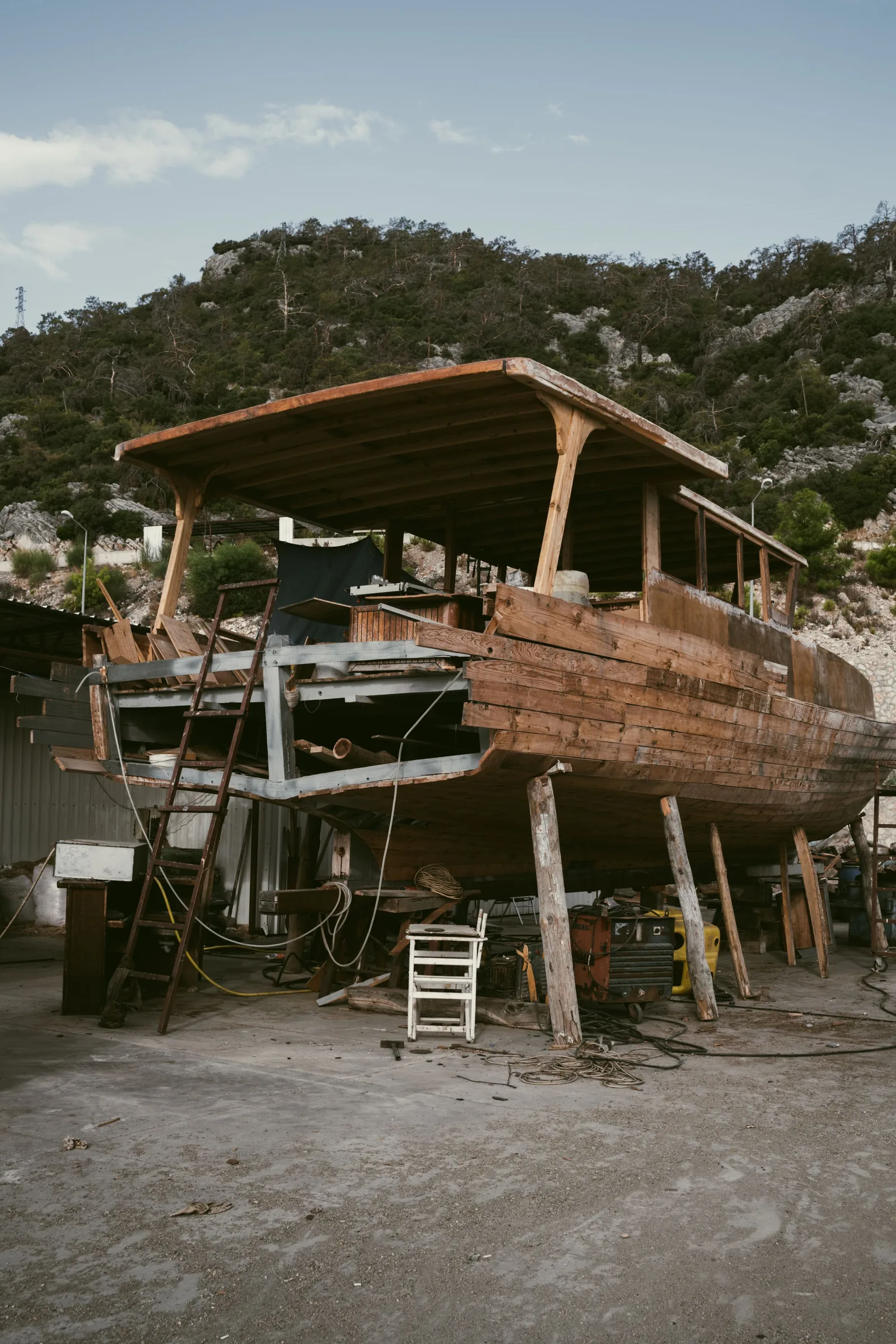
Keel, stem and sternpost come from oak we choose standing in the forest. The backbone sets the boat's character, so it gets the most time.
- Oak chosen in the forest and seasoned at the yard
- Hand-cut scarfs and bronze fastenings
- Frames steamed or sawn, never glued in a hurry
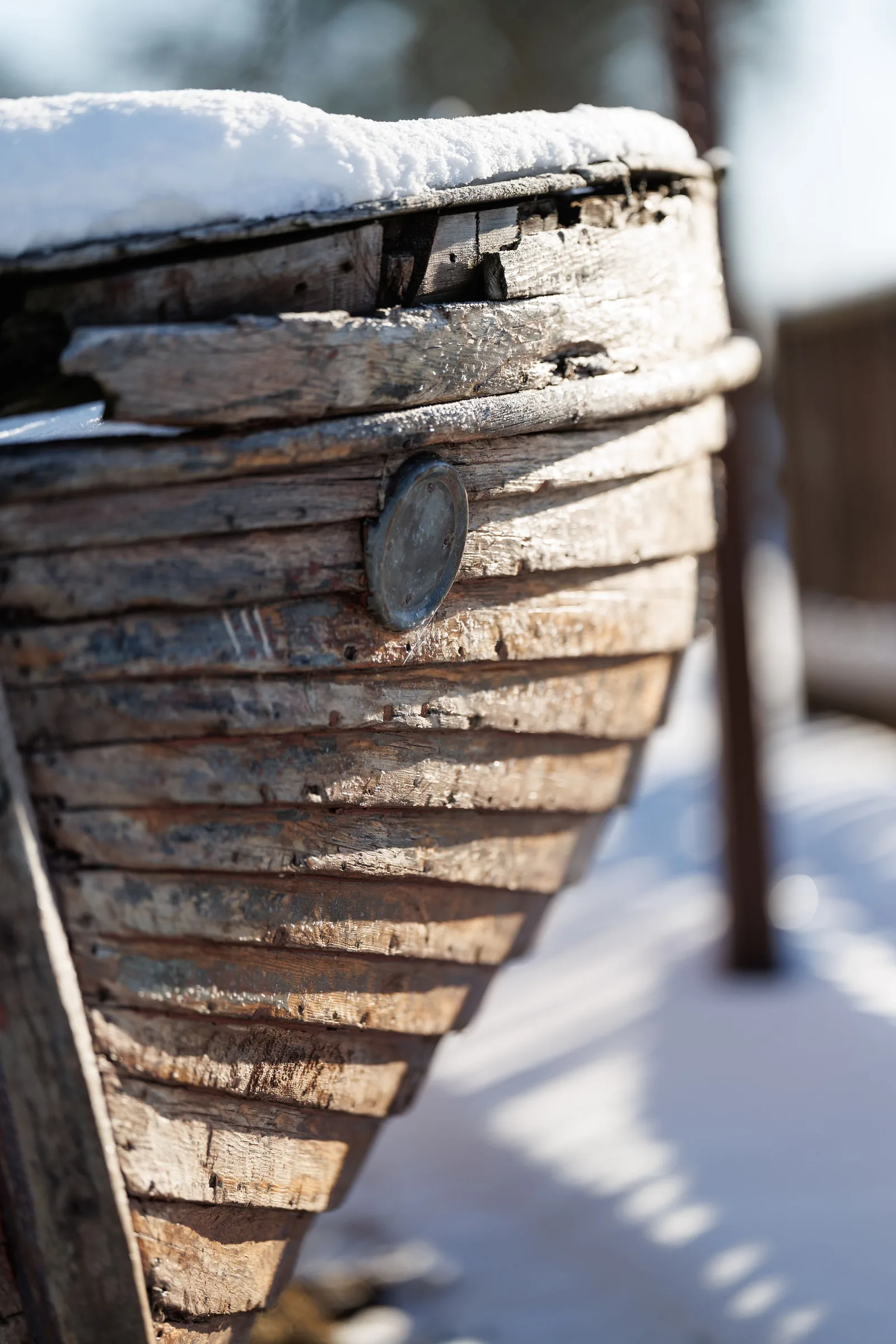
Clinker or carvel, every plank is steamed, bent and fastened by hand. The garboard goes on first, the sheer strake last.
- Pine, larch or mahogany strakes
- Copper rivets or bronze screws
- One plank a day on each side, at most
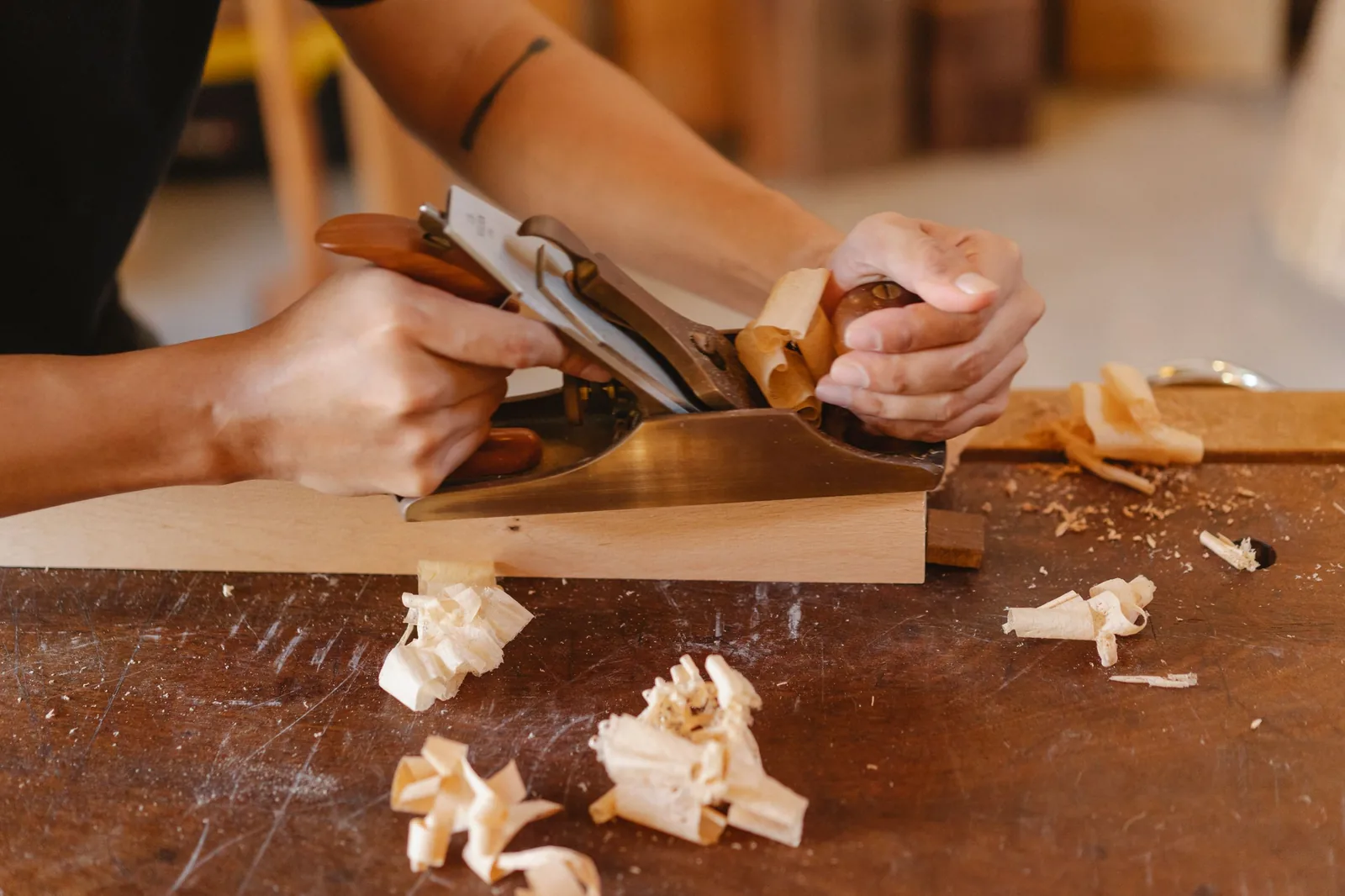
Decks, cabins and joinery are built around the way you sail, cook and sleep aboard, then finished in oil or varnish.
- Oak or teak decks laid in the shed
- Interiors fitted to the owner, not to a catalogue
- Eight coats of varnish, at least
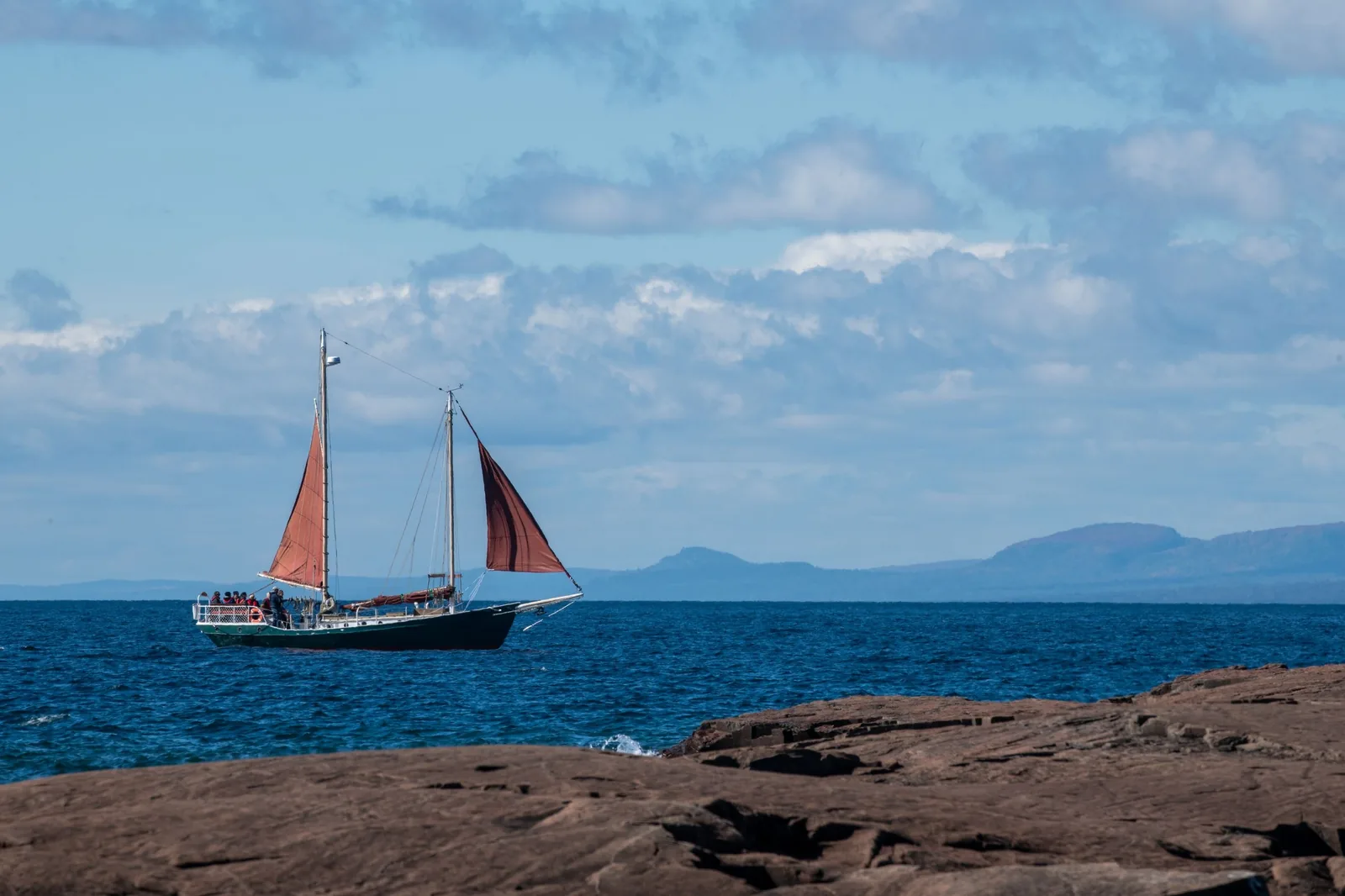
Spars are shaped in our own spar loft and the rigging is spliced by hand. Then we sail the boat with you until it feels like yours.
- Solid or hollow spars made at the yard
- Hand-spliced standing and running rigging
- Two weeks of sea trials with the owner aboard
Timber and trade
No yard builds a boat alone. We work with the same sawmills, foundries, sailmakers and ropeworks year after year, all within a day's drive of Risør, and we name them on every boat we launch.
- Vestre SawmillOak and larch
- Brekkhus BronzeFoundry
- Kvitsund SailsSailmakers
- Oslofjord RopeworksSince 1911
- Lien ForestryStanding timber
- Nordsjø OilsTar and linseed
- Hamre BlocksBlocks and spars
- Fjord CanvasCovers and awnings
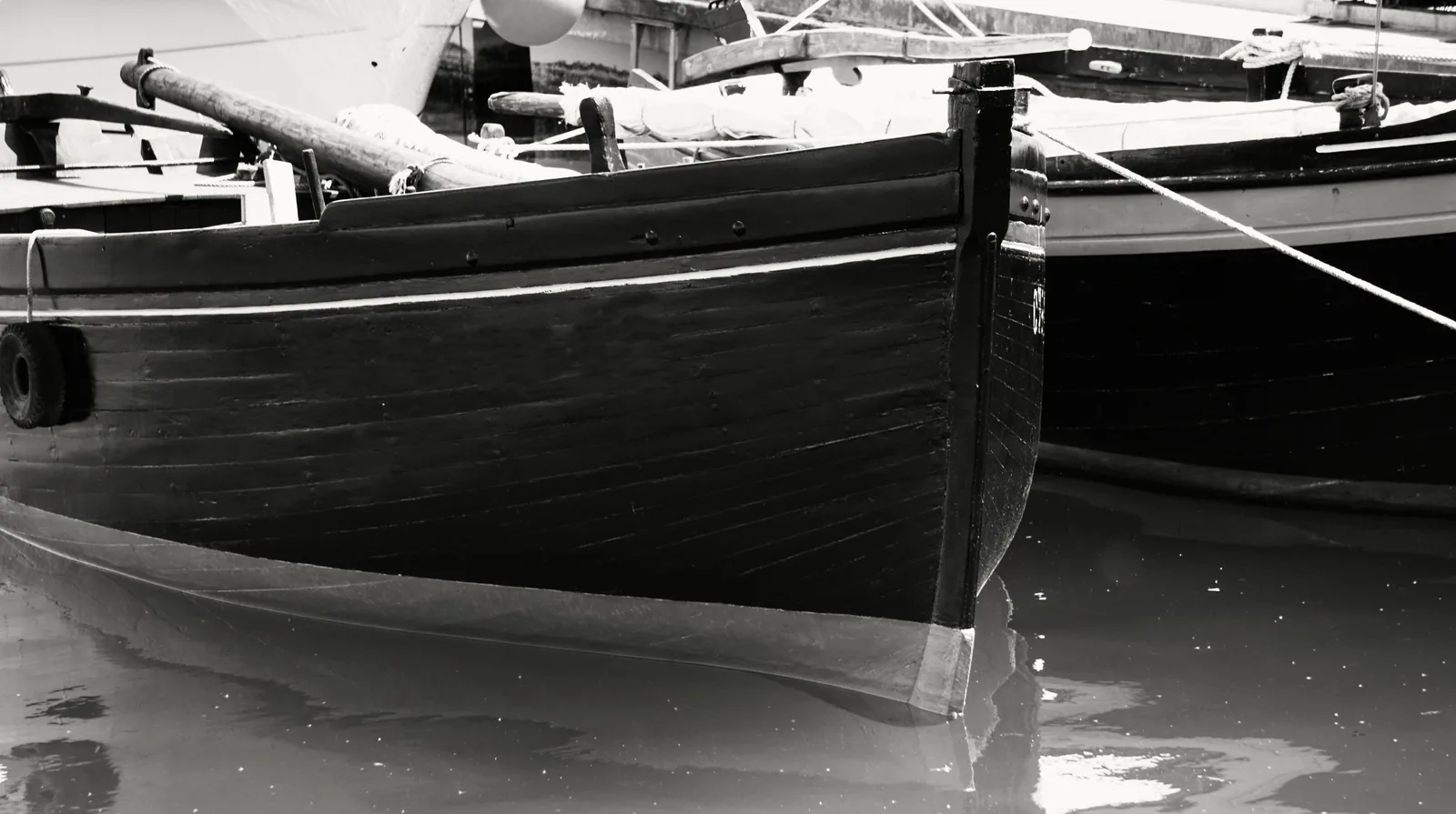
From the logbook / 18 September 2026
Why we still build in clinker
Overlapping planks are older than the Vikings and still the lightest, strongest way to build a small wooden boat. Here is why we have never stopped.
Read entry/ Owners
“We asked for a boat our grandchildren could sail. Garboard listened for a whole winter before drawing a line, and it shows in every corner of her.”
“I rowed Lomvi forty kilometres up the fjord in her first week. She tracks like a train and she is the most beautiful thing I own.”
“They saved planks other yards wanted to burn. My father's cutter is back in Lofoten and still smells like him.”
“Small boat, big care. Every rivet on Teist was set by someone who knew my name.”